

After heading 6 hours south on two separate buses, we arrived in a small city called Melaka.
Having traveled by now a large part of the country from north to south and east to west, one predominant thing has stood out to us: palm trees. There is simply kilometer after kilometer of palm trees in Malaysia, almost seeming to take over the entire country! As we were driving, the bus driver told us that these were massive plantations to get palm oil, being Malaysia one of the top palm oil producers in the world. While Malaysia’s number one export used to be rubber, since a few years palm oil took over that position after many rubber plantations were replaced by palm trees. Although it does look beautiful and exotic, it is quite sad to realize that the plantations are the result of a dramatic process of jungle deforestation. 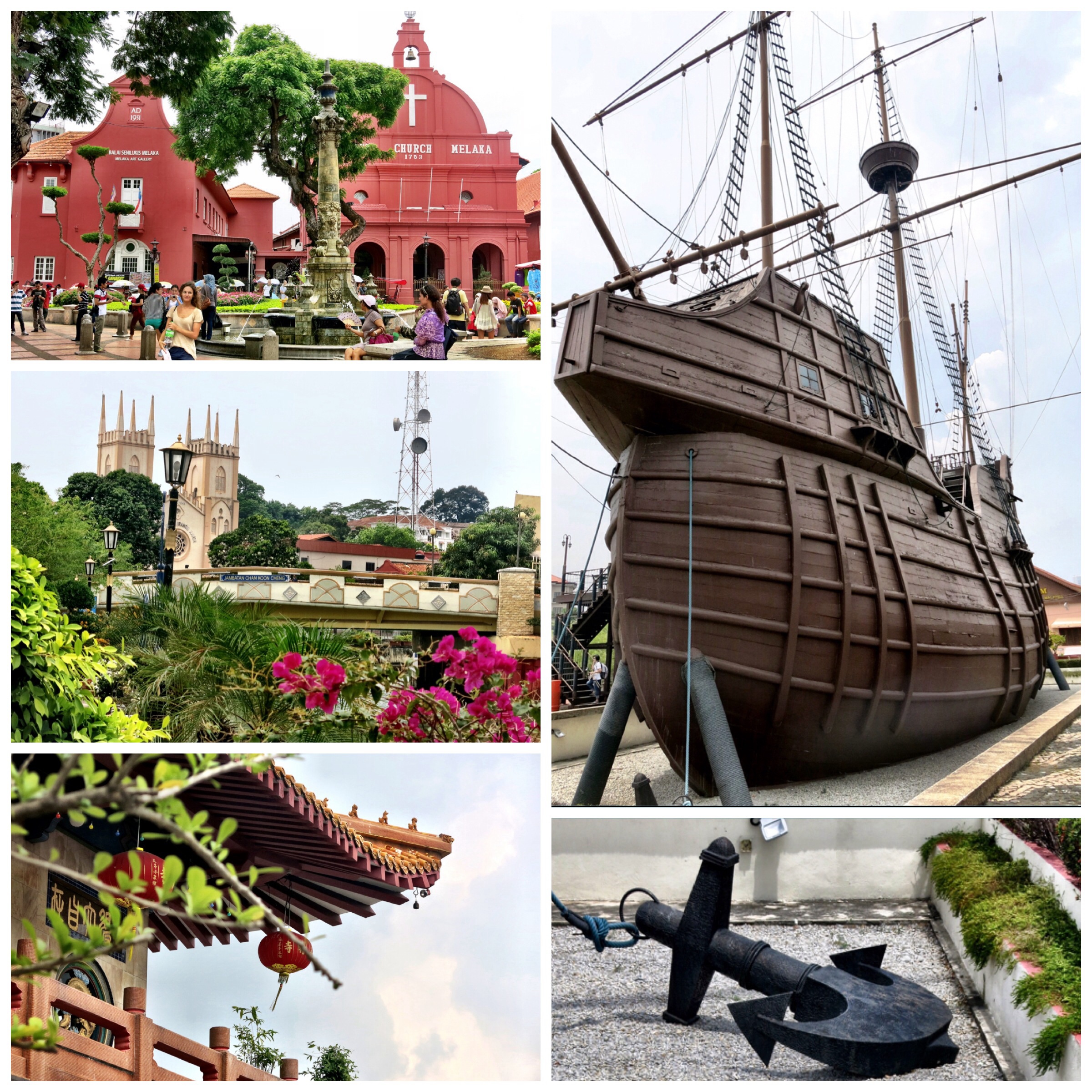
Following this side note, and back to Melaka, we were very pleasantly surprised by this quite and painteresque city, seeming to have an extremely interesting and important past.
For hundreds of years Melaka was a fishing village, and also the main port of trade in Asia. In fact, traders from all over would specifically stop in Melaka to trade their goods amongst each other, also due to the fair and reliable warehousing and trade facilities that had been established.
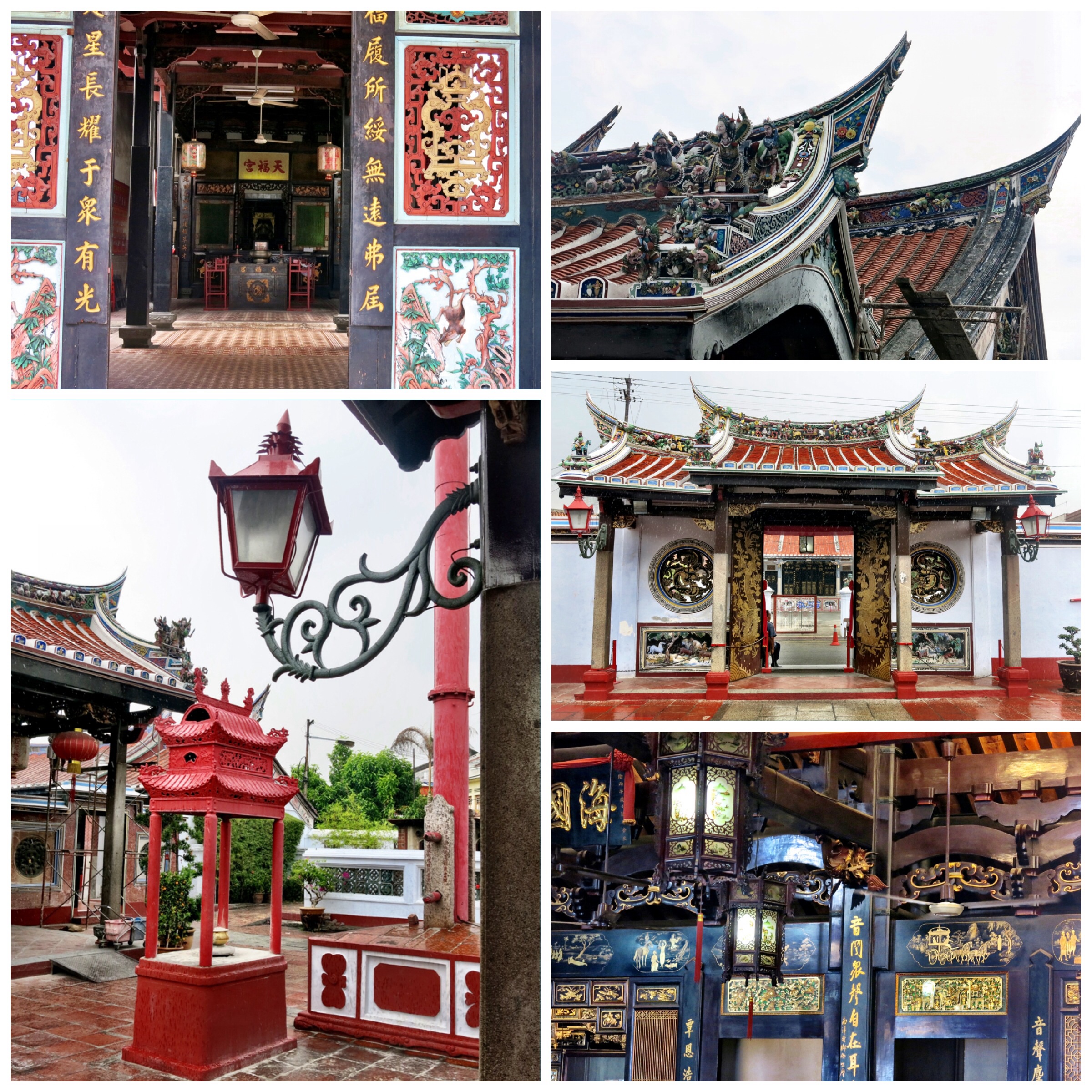
Furthermore, the first sultans of Malaysia arrived in Melaka. With the Chinese trading in Melaka, the daughter of the Ming Emperor of China was sent in the mid 1400s to marry the current sultan in rule, and with her came 500 attendants who thereafter married with locals. This brought a heavy Chinese influence to the region, especially Baba-Nyonya. From the 1500s until the mid 1900s Melaka has been under the rule of several western colonies, including Portugal, Holland, and finally Britain. The imprint of Melaka’s past is mirrored all over the city, be it in its architecture, sculptures, temples, memorials, and their culture in general. Walking and biking through the streets of Melaka is wonderful.
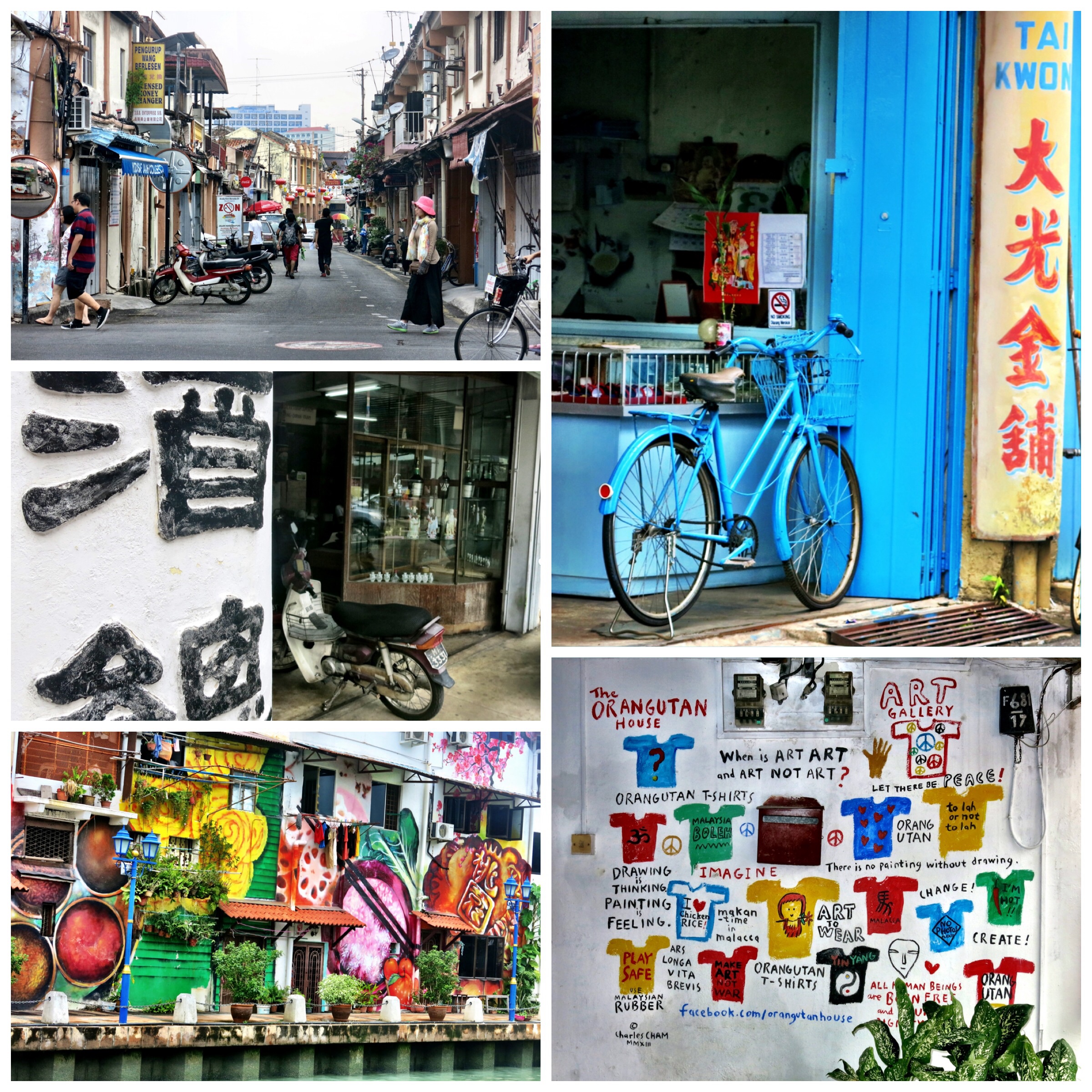
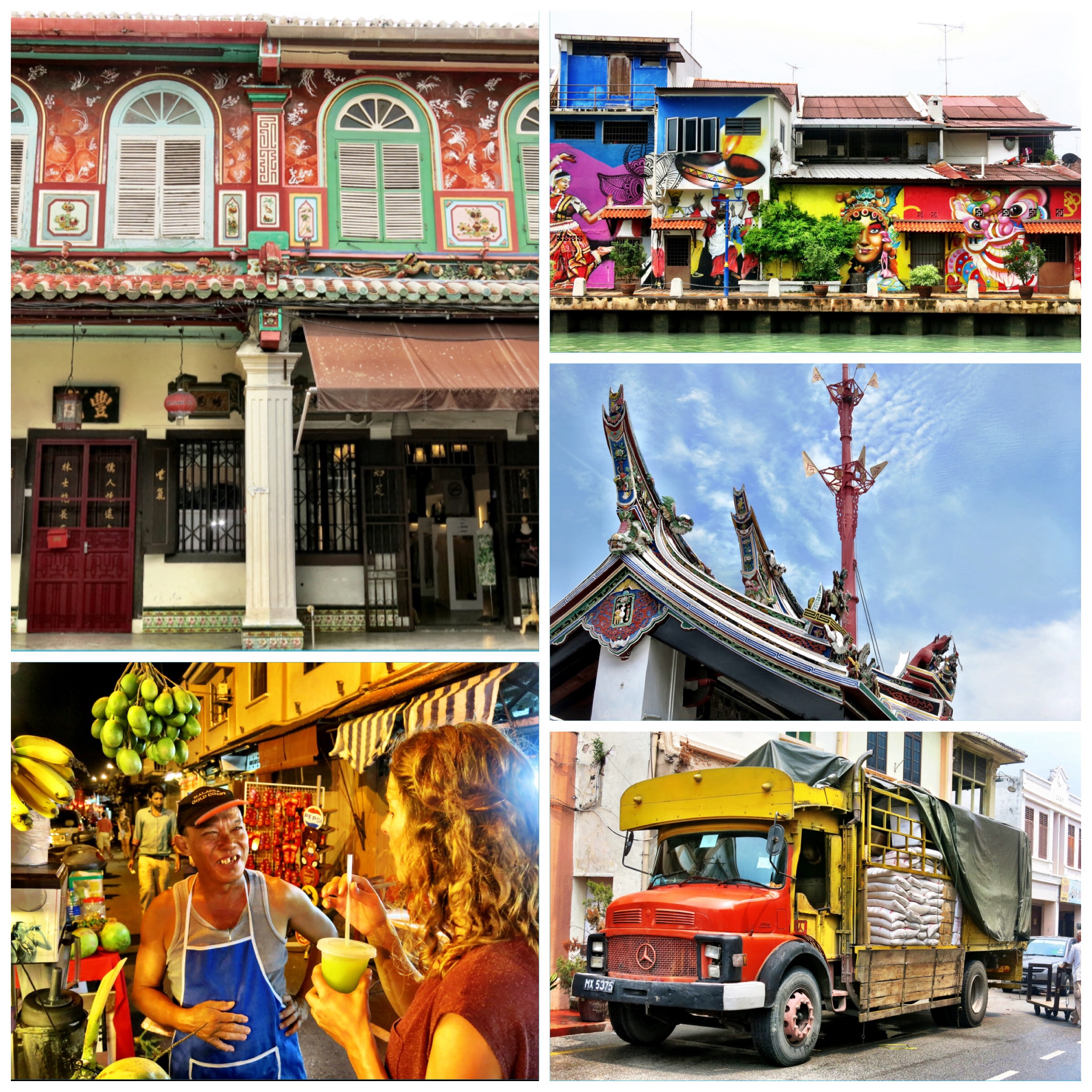
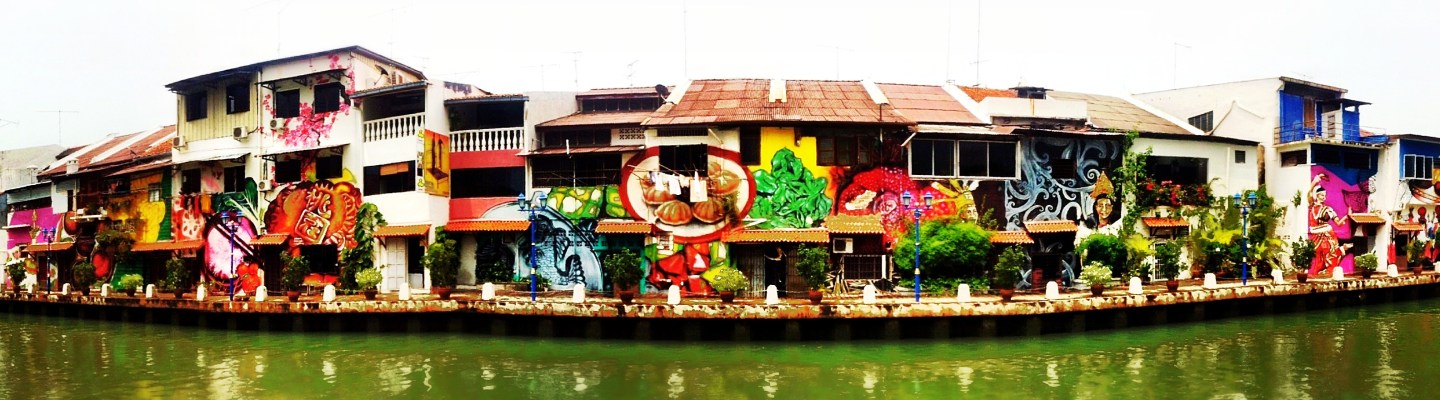
It has this feel of small cozy town full of beautiful cute shops, restaurants and unique temples; art is everywhere. Chinatown was definitely our favorite place to be, with endless pictures to be taken and a nice night market on Jonker’s Street. Another special location was along the river, as there were very colorful and beautifully done graffiti -not like the ones that are commonly seen- along the houses. The huge paintings on the street walls seemed to truly tell the story of Melaka, almost coming alive.
After two pretty intense days of admiring the city, we were not at all surprised to find out that it is property of UNESCO.
Next stop: Kuala Lumpur, Malaysia’s capital
 the perfect crossroad
Looks like a good trip!
another nice report from an exotic place …. I remember Melaka very well from many years ago … it was not as colorful at the time !